The Importance of a Roof HVAC Fresh Air Uptake

Most people are not aware of the importance of a roof HVAC fresh air uptake. This is a system that helps to keep the air in your home or office fresh and free of contaminants. The fresh air uptake helps to circulate the air in your space, which can help to improve the indoor air quality. In addition, the fresh air uptake can also help to reduce the amount of energy that is needed to heat or cool your space.

The Importance of a Roof HVAC Fresh Air Uptake
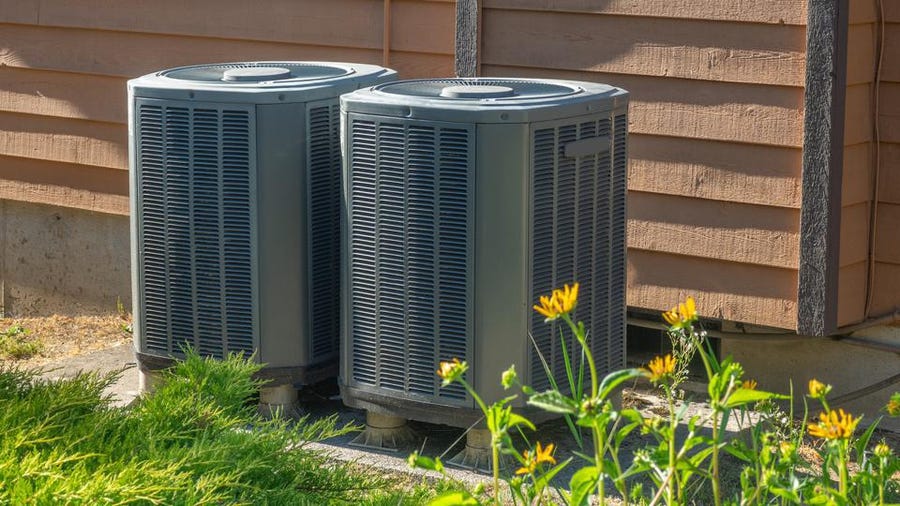
When it comes to heating and cooling your home, the roof HVAC fresh air uptake is an important consideration. Not only does it help keep your energy bills down, but it also keeps the air in your home fresh and free of pollutants. Here are some things to keep in mind about the importance of a roof HVAC fresh air uptake: The first thing to understand is that the fresh air intake for your HVAC system is essential for two reasons. The first is that it helps to keep the air in your home fresh. Second, it also helps to keep your energy bills down by ensuring that your HVAC system isn’t working overtime to compensate for a lack of fresh air. In order to keep the air in your home fresh, the fresh air intake for your HVAC system should be located in an area where there is plenty of ventilation. This could be in the form of an open window or doors, or it could be in the form of a vent in the ceiling. If you have an attic, this is also an ideal location for the fresh air intake for your HVAC system.

Another important consideration is that the fresh air intake for your HVAC system should be located in an area where there is little or no direct sunlight. This is because the direct sunlight can cause the air inside your home to become warmer, which will make your HVAC system work harder to cool the air. Finally, when it comes to the location of the fresh air intake for your HVAC system, it’s important to make sure that it’s not located in an area where there is a lot of dust or other pollutants. This is because these pollutants can clog up the intake and cause your HVAC system to work harder to filter them out. Keep these things in mind and you’ll be able to keep your air fresh and your energy bills down.

The Dangers of Poorly Ventilated Roofs

When it comes to your roof, ventilation is key to maintaining a long lifespan. Many roofs are not properly ventilated, which can lead to a number of problems including leaks, mold, and rot. Leaks are one of the most common problems associated with poorly ventilated roofs. When your roof is not properly ventilated, heat and moisture can build up inside your attic. This can cause the shingles to warp and eventually leak. Mold and mildew can also grow in moist, warm environments like your attic. Not only is mold unsightly, it can also be dangerous to your health. Inhaling mold spores can cause a number of respiratory problems, including asthma and allergies. Rot is another serious problem that can occur when your roof is not properly ventilated. When wood is exposed to moisture, it can start to break down and rot. This can weaken the structure of your roof and eventually lead to a collapse. Proper roof ventilation is essential to preventing these problems. Make sure that your attic has adequate ventilation by installing vents in the soffits and ridge of your roof. You should also make sure that there is a space between the insulation and the roof deck to allow air to circulate. If you are having problems with your roof, contact a professional roofing contractor. They will be able to inspect your roof and make sure that it is properly ventilated.

The Benefits of an Adequately Ventilated Roof

The roof is one of the most important parts of your home, and it’s important to keep it in good condition. One way to do this is to make sure it’s adequately ventilated. Adequate ventilation helps to keep the temperature of your roof consistent, which prevents premature wear and tear. It also helps to prevent condensation, which can lead to mold and mildew growth. In addition to preventing damage, adequate roof ventilation can also help to improve the efficiency of your home’s heating and cooling systems. When the air in your attic is properly ventilated, it helps to regulate the temperature in your home, which can save you money on your energy bills. If you’re not sure whether your roof is adequately ventilated, it’s a good idea to have it inspected by a professional. They can assess the situation and make recommendations for improvements, if necessary. In most cases, adequate ventilation can be achieved by installing a few additional vents in your attic. Roof ventilation is an important part of keeping your home in good condition. If you’re not sure whether your roof is adequately ventilated, it’s a good idea to have it inspected by a professional.

The Importance of Proper Roof Ventilation

If you want your roof to last, proper roof ventilation is key. Here’s why:

1. It helps your roof last longer. When heat and moisture build up in your attic, it can cause your roof to deteriorate prematurely. By ventilating your attic, you can help reduce the amount of heat and moisture that gets trapped, which will extend the life of your roof.

2. It can help prevent ice dams. Ice dams can form when heat escapes from your home and melts the snow on your roof. The melted snow then refreezes, creating a dam that prevents melted snow and water from draining properly. This can lead to leaks and other damage to your roof. Proper roof ventilation can help prevent ice dams from forming by keeping your attic cool and preventing heat from escaping.

3. It can improve your home’s energy efficiency. When your attic is properly ventilated, it can help regulate the temperature in your home and make it more energy-efficient. In the summer, proper ventilation can help keep your home cooler, and in the winter, it can help keep it warmer.

4. It can help reduce your energy bills. By making your home more energy-efficient, proper roof ventilation can help you save money on your energy bills. In the summer, you’ll use less air conditioning, and in the winter, you’ll use less heating.

5. It can help reduce condensation. Condensation can occur when warm, moist air hits a cold surface, such as a window or a door. This can lead to mold and mildew growth, and it can also damage your walls and ceilings. Proper roof ventilation can help reduce condensation by allowing the warm, moist air to escape before it has a chance to hit a cold surface. Proper roof ventilation is important for a variety of reasons. It can help extend the life of your roof, improve your home’s energy efficiency, and even save you money on your energy bills. If you want your roof to last, be sure to ventilate it properly.

The Dangers of Improper Roof Ventilation

There are a variety of dangers that come along with improper roof ventilation. One of the most common dangers is that your home will be more susceptible to moisture damage. This is because proper ventilation helps to remove excess moisture from your home, which can prevent it from seeping into your walls and causing damage. Additionally, without proper ventilation, your home will be more prone to mold and mildew growth. Not only can this cause damage to your home, but it can also pose a serious health risk to you and your family. Finally, if your home is not properly ventilated, it will be much hotter during the summer months and much colder during the winter months. This can lead to increased energy bills and a decrease in your overall comfort.

The Benefits of a Well-Ventilated Roof

A well-ventilated roof is one of the most important features of a home. It helps to keep the temperature inside the house cool in summer and warm in winter. Ventilation also helps to reduce moisture levels in the air, which can lead to condensation and mould growth. There are several benefits of having a well-ventilated roof:

1. Reduced energy bills: A well-ventilated roof helps to keep the house cooler in summer and warmer in winter, which can lead to reduced energy bills.

2. Improved indoor air quality: Ventilation helps to reduce moisture levels in the air, which can improve indoor air quality.

3. Reduced condensation and mold growth: Ventilation helps to reduce condensation and mould growth by reducing moisture levels in the air.

4. Increased lifespan of the roof: Ventilation helps to reduce the build-up of heat and moisture, which can increase the lifespan of the roof.

5. Improved aesthetics: Ventilation can help to improve the aesthetics of the home by reducing the build-up of dirt and grime on the exterior of the house.

6. Reduced noise pollution: Ventilation can help to reduce noise pollution by reducing the transmission of sound through the walls and roof.
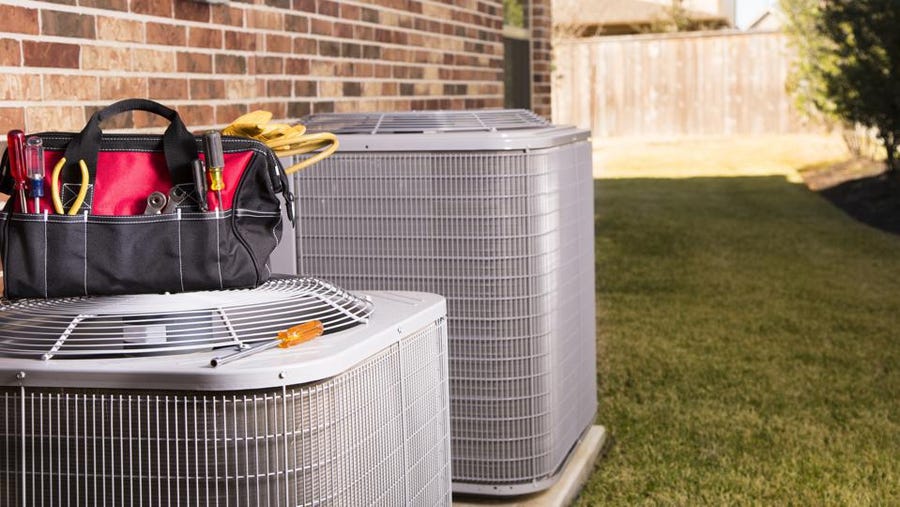
What will the hvac license cover

In order to become a licensed HVAC technician, you will need to complete an accredited training program and pass an industry-recognized exam. Upon successfully completing these requirements, you will be issued a license that will allow you to work in the HVAC field. The license will cover the installation, repair, and maintenance of heating, ventilation, and air conditioning systems. In order to obtain the license, you will need to complete an accredited training program and pass an industry-recognized exam.

HVAC License Exam:

HVAC License Exam: The Basics You need a license to work as an HVAC technician in most states. The requirements for an HVAC license exam vary by state, but most require you to take a written exam and a practical exam. Some states also require you to have a certain amount of experience working in the field before you can take the exam. The written exam covers topics such as the principles of HVAC, electricity, and the installation and repair of HVAC systems. The practical exam tests your knowledge of HVAC systems and your ability to install and repair them. To prepare for the exams, you can take courses offered by trade schools or community colleges. You can also find study guides and practice tests online. Once you pass the exams, you will receive a license that is valid for a specific period of time. You will need to renew your license every few years, and you may need to take continuing education courses to keep your license current.

The different types of licenses available.

There are a few different types of software licenses available, and the best one for you depends on how you want to use the software. If you’re just using the software for personal use, then a personal license is probably all you need. If you’re using the software for business purposes, then you’ll need to get a business license. And if you’re developing software, then you’ll need to get a developer license. Here’s a brief overview of each type of license: – Personal License: This type of license is typically used for personal, non-commercial use. With a personal license, you can use the software for your own personal use, but you can’t distribute it to others. – Business License: This type of license is used for businesses and organizations. With a business license, you can use the software for your business, and you can also distribute it to other users within your organization. – Developer License: This type of license is used by software developers. With a developer license, you can use the software for your own personal use, as well as distribute it to others for their personal use.

The requirements to obtain an HVAC license.

Every state has different requirements for obtaining an HVAC license, but there are some general guidelines that apply in most cases. First, you will need to complete an accredited HVAC training program. Once you have completed your training, you will then need to pass a state-recognized exam in order to obtain your license. Some states may also require you to complete a certain number of hours of on-the-job training before you can be licensed.

The topics covered on the HVAC license exam.

The HVAC license exam is a test that is required in order to become a licensed HVAC contractor. This exam covers a variety of topics, including the installation and repair of HVAC systems, ductwork, and piping. It also covers the proper operation of HVAC equipment, as well as safety procedures.

The format of the HVAC license exam.

If you’re planning on a career in HVAC, you’ll need to pass an exam to earn your license. The format of the HVAC license exam varies by state, but most exams include both a written and practical portion. The written portion of the exam tests your knowledge of HVAC theory and code requirements. You’ll likely be given a multiple-choice exam, although some states also use essay questions. The number of questions on the exam also varies by state, but you can expect to answer between 50 and 100 questions. The practical portion of the exam tests your ability to apply your knowledge to real-world scenarios. You’ll be given a series of tasks to complete, such as installing or repairing HVAC equipment. Most states allow you to use tools and materials during the exam, but some may require you to work with only your hands. Both the written and practical portions of the exam must be passed in order to earn your HVAC license. However, most states allow you to retake either portion of the exam if you don’t pass it the first time.

The passing score for the HVAC license exam.

In order to become a licensed HVAC contractor, you must pass a written exam. The passing score for this exam depends on the state in which you take the exam, but is typically around 70%.

How much does hvac system cost to replace

If your home’s heating and cooling system is outdated or breaking down, you may be wondering how much it will cost to replace the entire HVAC system. The cost to replace an HVAC system varies depending on a number of factors, including the size of your home, the type of HVAC system you select, and the complexity of the installation. On average, homeowners report spending between $3,500 and $7,500 to replace their HVAC system. However, costs can range from as little as $1,500 to as much as $12,000 or more. The most important factor in determining the cost to replace an HVAC system is the size of your home. Larger homes require more powerful and expensive HVAC systems to heat and cool effectively. The type of HVAC system you select also impacts the cost of replacement. Central air conditioners and furnaces are the most common types of HVAC systems and tend to be the most affordable. More complex systems, such as ductless mini-splits, geothermal heat pumps, and solar-powered systems, are typically more expensive to install.

Finally, the complexity of the installation can also affect the cost of replacing your HVAC system. If your home already has ductwork in place, the installation will be less expensive than if you need to have ductwork installed as part of the project. Additionally, homes that require extensive electrical or plumbing work to accommodate the new HVAC system will also be more expensive to update. If your HVAC system is in need of replacement, be sure to get multiple estimates from qualified contractors to ensure you are getting the best possible price for the project.

The cost of replacing your HVAC system

As the weather gets cooler, you might be thinking about firing up your furnace for the first time in months. But if your furnace is more than 15 years old, it might be time for an upgrade. Replacing your furnace isn’t a small investment, but modern heating and cooling systems are much more efficient than older models. If your furnace is on its last legs, here’s what you can expect to pay for a replacement. The average cost to replace a furnace is $2,085, with a typical range of $1,859 to $2,311. Labor costs make up about 40% of the bill, while the equipment itself accounts for the rest. The exact price will vary depending on the size of your home, the type of furnace you need and the complexity of the installation. If you’re looking for a high-efficiency furnace, expect to pay 20% to 50% more than you would for a standard model. High-efficiency furnaces are designed to save you money on your energy bills, and they typically have an AFUE rating of 90% or higher.

These furnaces also come with a higher upfront cost, so it’s important to calculate whether the savings will offset the initial investment. Gas furnaces are the most common type of furnace, and they typically range in price from $1,500 to $3,000. Oil furnaces are less common, but they offer a cheaper alternative for homes that don’t have access to natural gas. Electric furnaces are the most expensive type of furnace, but they’re also the most efficient. If you’re interested in an electric furnace, expect to pay anywhere from $2,000 to $5,000 for the unit itself. The cost of replacing your furnace will also vary depending on the size of your unit. Furnaces are measured in British Thermal Units (BTUs), and the larger the BTU rating, the more heat the furnace can produce. A furnace with a higher BTU rating will be more expensive than a smaller unit, but it will also be better suited for a larger home. When shopping for a new furnace, it’s important to compare prices from multiple contractors. Heating and cooling companies typically charge by the hour, so you’ll want to get an estimate of how long the installation will take. Make sure to ask about any additional fees, such as charges for permits or duct work. Installing a new furnace is a big investment, but it can save you money in the long run. A high-efficiency furnace will help you lower your energy bills, and a properly sized unit will keep your home comfortable for years to come.

How much does a new HVAC system cost?

A new HVAC system can cost anywhere from $3,000 to $14,000, depending on the size of your home, the type of system you need, and the efficiency you desire.

The average cost of a new HVAC system

The average cost of a new HVAC system can be quite expensive. There are many factors to consider when purchasing a new HVAC system, such as the size of the unit, the type of unit, and the features that are included. The average cost of a new HVAC system can range from $2,000 to $10,000.

How to save on the cost of a new HVAC system

If you’re in the market for a new HVAC system, there are a few ways you can save on the cost. First, be sure to do your research and compare prices from multiple vendors. You may also be able to get a discount by purchasing your system during the off-season. Additionally, consider financing options and rebates that may be available to you. Finally, be sure to have your HVAC system properly sized for your home to ensure maximum efficiency. By following these tips, you can save on the cost of a new HVAC system.

10 ways to reduce the cost of a new HVAC system

1. Shop around and compare prices from multiple contractors before choosing who to install your new HVAC system.

2. Consider a smaller, more energy-efficient unit for your home.

3. Have your contractor do a load calculation to determine the exact size unit you need for your home.

4. Install your new HVAC system in the spring or fall when temperatures are milder and there is less demand on the system.

5. Take advantage of any available tax credits or rebates when purchasing a new HVAC system.

6. Purchase a high-efficiency unit that is ENERGY STAR certified.

7. Choose a unit that uses R-410A refrigerant, which is more environmentally friendly.

8. Install your new HVAC system in a location where it will get plenty of airflow to ensure proper operation.

9. Have your contractor perform regular maintenance on your new system to keep it running at peak efficiency.

10. Consider a ductless mini-split system for your home, which is very efficient and easy to install.

Is it time to replace your HVAC system? Here’s how to tell

If your HVAC system is more than 10 years old, it may be time to replace it. Here are some signs that it’s time for a new system:

1. Your energy bills are increasing.

2. Your home is not as comfortable as it used to be.

3. Your system is making strange noises.

4. Your system isn’t working as efficiently as it used to. If you’re experiencing any of these problems, it’s time to call a professional to see if you need a new HVAC system.

How much savings per hvac seer

Heating and cooling your home can take a big bite out of your energy budget – as much as 50% of the total. So, it pays to choose an HVAC system with a high SEER (Seasonal Energy Efficiency Ratio). But exactly how much can you save by opting for a higher-efficiency model? Here are some estimates: For a 2,000-square-foot home in central Florida, going from a SEER 14 to a SEER 20 system can save you about $300 per year on your energy bill. In Dallas, Texas, a SEER 18 system will use about 8% less energy than a SEER 16 system. In San Francisco, a SEER 15 system uses 28% less energy than a SEER 10 system. These savings are based on today’s energy prices and may be different in the future. But one thing is certain: A high-efficiency HVAC system will save you money every month, all year long. To get the most energy savings, combine a high-efficiency system with a whole-house approach to energy efficiency. This means making sure your home is well insulated and airtight, too.

How much can you save with a higher SEER rating?

If you’re in the market for a new air conditioner, you may be wondering how much you can save by opting for a unit with a higher SEER rating. SEER, or Seasonal Energy Efficiency Ratio, is a measure of an air conditioner’s cooling efficiency over the course of a season. A higher SEER rating means greater energy efficiency, and potential savings on your energy bill. How much you can save depends on a number of factors, including the size of your home, the climate you live in, and how much you use your air conditioner. But as a general rule of thumb, opting for a unit with a SEER rating of 20+ can save you up to 50% on your cooling costs compared to a standard air conditioner with a SEER rating of 13. So, if you’re looking to save money on your energy bills, it’s worth considering an air conditioner with a high SEER rating. Just remember to factor in the initial cost of the unit when making your decision – a more expensive air conditioner may take longer to pay for itself in savings.

The benefits of a high SEER rating

for your air conditioner A high SEER rating for your air conditioner can result in numerous benefits for both you and your home. For starters, a higher SEER rating can mean significant energy savings – as much as 30% according to the U.S. Department of Energy. In addition, a higher SEER rating often indicates a quieter air conditioner, which can be a major selling point if you live in a hot, humid climate. Finally, a higher SEER rating can also add to the resale value of your home.

How a higher SEER rating can save you money

If you are in the market for a new air conditioner, you may be wondering what all of those letters and numbers mean on the side of the box. The SEER rating is an important number that tells you how much energy your air conditioner will use over the course of a cooling season. In general, the higher the SEER rating, the more energy-efficient the unit will be and the more money you will save on your utility bills. If you live in a climate where air conditioning is used frequently, such as in the southern United States, a higher SEER rating can result in significant savings. For example, a unit with a SEER rating of 21 will use about 33% less energy than a unit with a SEER rating of 15. This means that over the course of a year, you could save hundreds of dollars on your cooling costs. When shopping for a new air conditioner, be sure to look for the Energy Star label. This label means that the unit has been independently verified to meet high energy-efficiency standards. Energy Star-labeled air conditioners typically have SEER ratings of 14 or higher. In addition to saving money on your utility bills, choosing an energy-efficient air conditioner can also help to reduce your carbon footprint. By using less energy, these units generate fewer greenhouse gases, which contribute to climate change. If you are concerned about saving money and protecting the environment, look for an air conditioner with a high SEER rating. These units will cost more upfront, but they will pay for themselves in energy savings over time.

The cost-savings of a high SEER rating

A high SEER rating means big savings on your utility bills. Let’s compare two central air conditioners, each with a different SEER rating. A 3-ton unit that has a SEER rating of 16 will use 3,000 watts of power to cool your home. A comparable unit with a SEER rating of 20 will only use 2,400 watts. Over the course of a cooling season, the unit with the higher SEER rating will save you $120 in electricity costs. Now let’s assume that both units will last for 10 years. The unit with the higher SEER rating will have saved you a total of $1,200 in electricity costs over its lifetime. In many cases, the upfront cost of a unit with a higher SEER rating is only a few hundred dollars more than a unit with a lower SEER rating. This means that you will have recouped the additional cost of the unit within the first few years of its life, and after that, you will be saving money every year. So, if you are in the market for a new central air conditioner, be sure to compare SEER ratings. It is an investment that will pay off in both the short and long run.

How much you can save with a higher SEER rating

A higher SEER rating can save you money on your energy bills. The U.S. Department of Energy estimates that a typical household can save about $30 a year on their energy bill with a SEER rating of 13 compared to a SEER rating of 10.

Higher SEER ratings and savings

As a homeowner, you always look for ways to save money on your energy bills. One way to do this is to upgrade to a higher SEER rating air conditioner. With a higher SEER rating, your air conditioner will use less energy to cool your home, which will save you money on your utility bills. In addition, a higher SEER rating air conditioner will also last longer than a lower SEER rating air conditioner, so you will save money in the long run.

How to calculate hvac tonnage

Heating and cooling your home uses a lot of energy and money, so it’s important to choose the right size system. The first step is to calculate the square footage of your home. There are two ways to do this, either by measuring the outside of your home or by using a floor plan. Once you know the square footage, you can multiply it by 30 to get the BTU (British Thermal Units) per hour. This number will tell you how much heat your home needs to generate or how much cooling it needs. Now that you have the BTU number, you need to consider the climate where you live. If you live in a hot climate, you’ll need a unit that can handle more BTUs. If you live in a cold climate, you won’t need as many. Use the chart below to find the climate zone for your area and then look at the column that corresponds to the number of people in your household. Once you have your climate zone and the number of people in your household, you can find your cooling capacity (in tons) or heating capacity (BTUs per hour) using the chart below. Climate Zone Number of People in Household Cooling Capacity (Tons) Heating Capacity (BTUs per hour) 1 2 3 4 5 6 7 8 9 10 After finding your tonnage, you can round up to the nearest half-ton. For example, if you have a 3-ton unit, you can round up to a 3.5-ton unit. If you have a 5-ton unit, you can round down to a 4.5-ton unit. Now that you know how to calculate the size of the HVAC unit you need, you can be sure to get the most efficient system for your home.

How to calculate HVAC tonnage

Most people don’t know how to calculate HVAC tonnage, which is perfectly understandable. It’s not something that comes up in everyday conversation! However, learning how to calculate tonnage can be helpful when you’re trying to determine the size of the air conditioner unit you need for your home. The term “ton” is short for “ton of refrigeration.” A ton of refrigeration is equivalent to the cooling capacity of one ton (2,000 pounds) of ice melting in a 24-hour period. So, when you’re trying to calculate the size of an air conditioner unit in tons, what you’re really doing is figuring out how much heat the unit can remove from the air in an hour. There are a few different ways to calculate HVAC tonnage, but the simplest method is to use a rule of thumb. According to this rule, you should size your air conditioner unit at 1 ton for every 600 square feet of living space. So, if you have a 2,000 square foot home, you would need a 3-ton air conditioner unit. Keep in mind that this is just a general guideline. The actual size of the unit you need may be different, depending on factors such as the climate you live in, the amount of insulation in your home, and the number of people who live there. When in doubt, it’s always best to consult with a qualified HVAC professional.

How to Size an Air Conditioner

Most people don’t know how to size an air conditioner, which is why so many homes have units that are too small or too large. An air conditioner that is too small will run constantly and never really cool your home, while an air conditioner that is too large will cool your home too quickly and then shut off, leaving your home feeling damp and humid. To find the right size air conditioner for your home, you’ll need to measure the square footage of the space you want to cool. Once you have the square footage, multiply it by 25 BTU (British thermal units). This number will give you a general idea of the size air conditioner you need. If you live in a particularly hot climate or your home is very sunny, you may need to increase the BTU rating by 10-20%. Conversely, if you live in a cooler climate or your home is shaded, you may be able to reduce the BTU rating by 10-20%. Once you have the right size air conditioner, you’ll also need to make sure it’s properly installed. If your air conditioner is too big or too small for the space, it won’t work properly and could end up damaging your home.

How to Measure the Tonnage of an Air Conditioning Unit

An air conditioning unit’s tonnage is a measurement of how much heat it can remove from a home in an hour. The higher the tonnage, the more heat the unit can remove. To find the tonnage of your air conditioner, you’ll need to know the unit’s cooling capacity in British thermal units (BTUs) per hour. To convert BTUs per hour to tons, divide the BTU rating by 12,000. This will give you the number of tons your air conditioner can cool in an hour. For example, if your unit has a cooling capacity of 36,000 BTUs per hour, it has a tonnage of 3 tons. Once you know the tonnage of your air conditioner, you can choose the right sized unit for your home. Keep in mind that a larger unit is not always better. A unit that is too large for your home will cycle on and off more frequently, which can shorten its lifespan and lead to higher energy bills.

How to Select the Right Size Air Conditioner

for Your Home When it comes to air conditioners, size does matter. An air conditioner that’s too small for the space it’s cooling will have to work overtime to achieve the desired temperature, resulting in higher energy bills and shorter lifespan. Conversely, an air conditioner that’s too large for the space will cool the room quickly but won’t remove enough humidity, making the room feel clammy. To find the right size air conditioner for your home, start by measuring the square footage of the space you need to cool. Once you have that number, consult an air conditioner sizing chart like this one from Energy Star. For a basic idea of what size air conditioner you need, Energy Star recommends using the following formula: Square footage of cooled space x 35 BTUs = Required cooling capacity For example, if you need to cool a 400 square foot space, you would need an air conditioner with a cooling capacity of 1400 BTUs (400 x 35 = 1400). Of course, there are other factors to consider when selecting an air conditioner, such as the climate you live in and the number of people and/or pets in the space. For a more detailed sizing analysis, consult a qualified HVAC contractor.

How to Determine the Needed Capacity for an Air Conditioner

Size and capacity are two different things when it comes to air conditioners. Just because an air conditioner is big, doesn’t mean it has a high capacity. In fact, most people believe that a bigger AC unit means more power and better cooling efficiency, but this isn’t always the case. So, how do you know what size and capacity air conditioner you need for your home? We’ve got the answer. When it comes to air conditioners, size does matter. But it’s not the only factor you should consider when choosing an AC unit. The size of your room, the layout of your home, the climate you live in, and your personal cooling preferences all play a role in determining the best size and capacity for your air conditioner. To figure out what size air conditioner you need, start by taking measurements of the room or area you want to cool. Once you have the square footage, check the chart below to find out how many BTUs (British thermal units) of cooling power you’ll need to maintain a comfortable temperature. square footage of room/area to be cooled x number of BTUs needed per square footage For example, if you have a 500-square-foot room that you want to keep cool, you’ll need an air conditioner with at least 25,000 BTUs of cooling power. 500 x 50 = 25,000 BTUs Remember, this is just a general guide. The specific number of BTUs you need will also depend on factors like the ceiling height of your room, the level of insulation in your home, the number of windows and doors in the room, and whether the room is sunny or shady. Once you know how many BTUs of cooling power you need, the next step is to choose an air conditioner with the right capacity. The capacity of an air conditioner is measured in tons, and it refers to the amount of heat the AC unit can remove from your home in an hour. One ton of cooling capacity is equivalent to 12,000 BTUs. So, if you need an air conditioner with 25,000 BTUs of cooling power, you’ll need a unit with a capacity of at least 2 tons. 2 tons = 24,000 BTUs Keep in mind that the capacity of an air conditioner doesn’t necessarily indicate how powerful the unit is. A 2-ton air conditioner with a higher capacity can actually be less powerful than a 1-ton air conditioner with a lower capacity. The reason for this is that the capacity of an air conditioner refers to its ability to cool, not its actual power. Now that you know how to determine the size and capacity of air conditioner you need, the next step is to choose a unit that’s the right fit for your home. If you need help selecting an AC unit, contact a local HVAC contractor. They can help you find an air conditioner that’s the right size and capacity for your home and your cooling needs.

How to Maximize the Efficiency of an Air Conditioner

Assuming you would like an article discussing how to increase the efficiency of an air conditioner: As the weather gets warmer, many people begin to rely on their air conditioners to stay cool. However, running an air conditioner can be costly, so it is important to make sure that it is as efficient as possible. Luckily, there are several things that you can do to ensure that your air conditioner is running at its highest efficiency. One of the most important things that you can do to increase the efficiency of your air conditioner is to make sure that the unit is the correct size for the space that it is cooling. An air conditioner that is too large for a space will not only be less effective, but will also use more energy. In order to find the perfect size air conditioner for your needs, consult with a professional. Another way to increase the efficiency of your air conditioner is to regularly clean or replace the filter. A dirty filter will make the unit work harder, which uses more energy and can cause premature wear and tear. Check the manufacturer’s recommendations to see how often the filter should be replaced or cleaned. In addition, it is important to keep the area around the air conditioner clear. If the unit is blocked by furniture or other objects, it will have to work harder to cool the space, which wastes energy. Finally, make sure to schedule regular maintenance checks for your air conditioner. A professional can clean the unit and check for any potential problems. Catching problems early can prevent them from becoming bigger, more expensive issues down the line. By following these tips, you can keep your air conditioner running efficiently all summer long.

AZ Home Services Group is Here for You!

Don’t take our word for it. Listen to some of the feedback provided by our customers!

I just got a new AC/heat pump unit installed. It was a stressful situation and decision but AZ Home Services Group made it much easier. I felt supported all the way through. Everything was quick, easy, and stress-free. The new unit is unbelievably quiet! I am very pleased and would recommend AZ Home Services Group.

avatar

Mary Sequoia

New Air Conditioner

AZ Home Servies Group was excellent. They arrived on time and explained the issues with my air conditioner. They were courteous, professional, knowledgeable, and gave me financing options to work with and a fair price. I highly recommend them!

avatar

Philip Glacier

Air Conditioner

AZ Home Services Group did an awesome job servicing my AC and making some recommendations to increase the effectiveness of our unit. We were able to schedule our appointment right away. AZ Home Services Group is our go-to and always provides great service and the people are knowledgeable. We are very pleased!

avatar

Amy Redwood

Air Conditioner Service